Eye exams are a crucial aspect of maintaining overall health and well-being. Whether you’re seeking a routine checkup or addressing specific concerns, understanding the duration of eye exams is vital.
In this piece, we will explore the duration required for various eye exams, detailing the average time for each type of examination, and underscore the significance of maintaining a routine schedule for eye care checkups.
Introduction
Importance of Eye Exams
Regular eye exams go beyond assessing vision; they play a key role in detecting potential health issues early on. They help maintain optimal vision and contribute to the overall prevention and early detection of various eye conditions.
Common Questions About Eye Exams
Before we dive into the duration of eye exams, let’s address some common questions that individuals often have. Understanding these basics sets the stage for a comprehensive guide to eye exams.
Factors Influencing Exam Duration
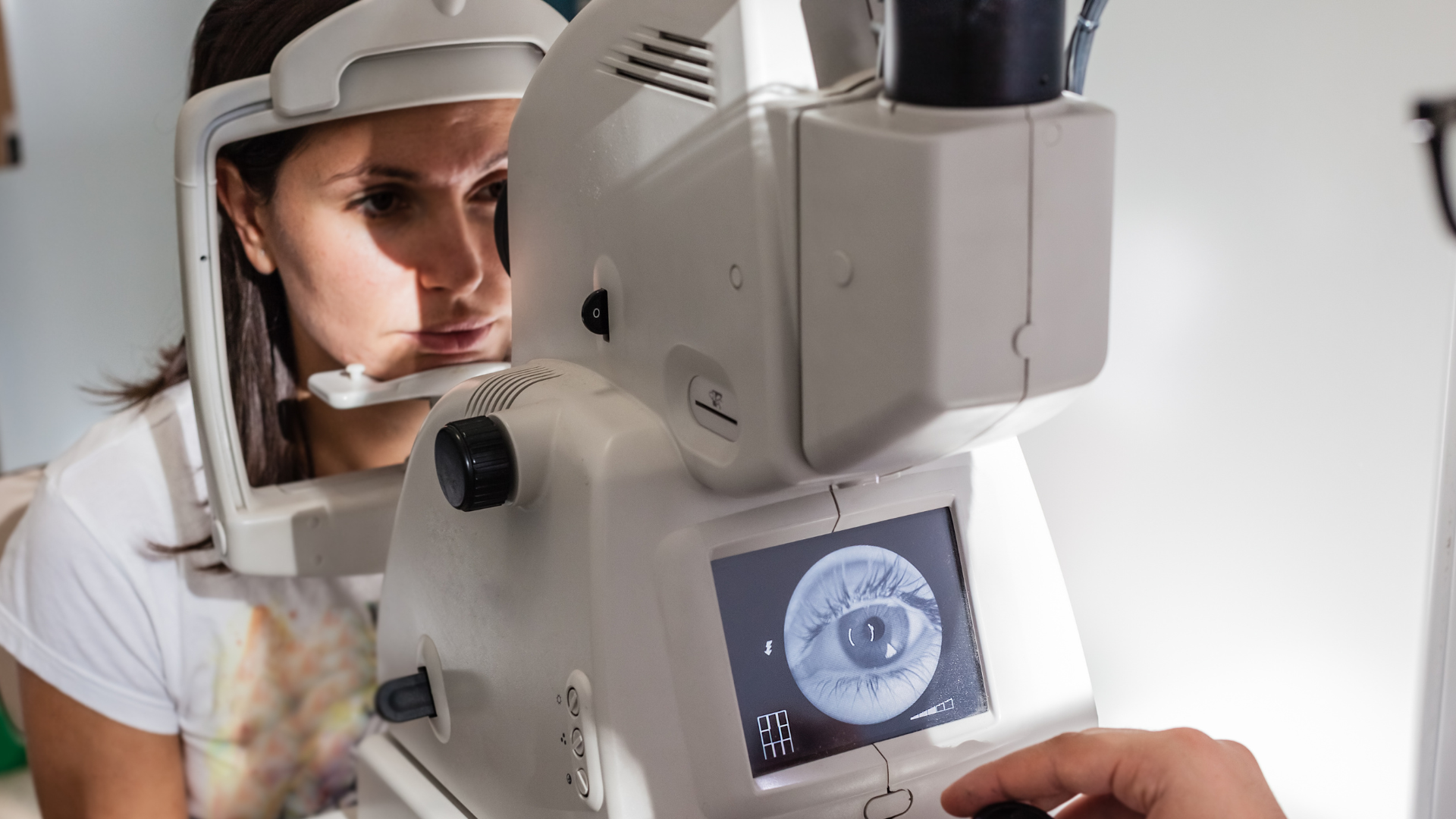
The time required for an eye exam can vary based on several factors. These factors include the type of exam, your eye health history, and your cooperation during the examination.
Type of Exam
Comprehensive Eye Exam
Comprehensive exams, involving a detailed assessment of vision and eye health, generally take longer due to the thorough evaluation conducted by the optometrist.
Routine Checkup
Routine checkups, focusing on vision correction and general eye health, are usually quicker but still depend on individual circumstances.
Eye Health History
Individuals with a history of eye conditions or surgeries may require additional testing, which may affect the overall duration of the exam.
Patient Cooperation
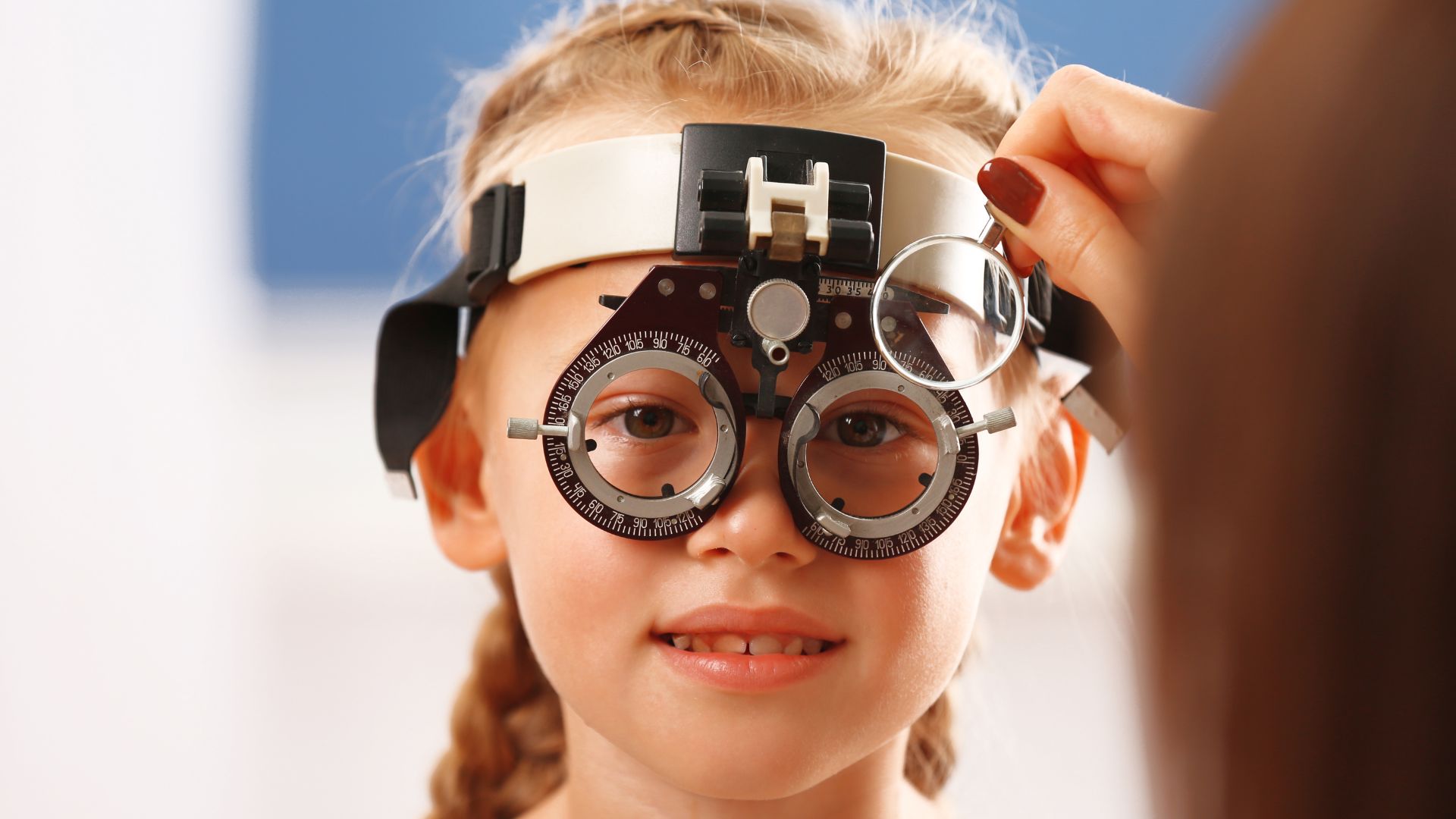
Active participation and cooperation from the patient, especially during specific tests, can influence the efficiency of the examination process.
Average Time for Different Exams
Understanding the average time required for different types of eye exams can help you anticipate what to expect during your visit to the optometrist.
Comprehensive Eye Exam
On average, a comprehensive eye exam may take 45 minutes to an hour, ensuring a thorough evaluation of vision and eye health.
Routine Checkup
Routine eye checkups, which focus primarily on vision correction, typically take 20 to 30 minutes, making them more time-efficient for individuals with busy schedules.
Specialized Tests
If specialized tests, such as those for glaucoma or retinal imaging, are included, the overall duration may extend beyond the averages mentioned.
What to Expect During an Eye Exam?
Familiarizing oneself with the elements of an eye examination aids in preparation for the procedure and enhances the efficiency and thoroughness of the assessment.
Preliminary Tests
The optometrist may start with preliminary tests, including visual acuity and eye pressure measurements.
Consultation with the Optometrist
A consultation with the optometrist follows, discussing any concerns, symptoms, or changes in vision.
Additional Tests
Depending on the type of exam and individual circumstances, additional tests, such as dilated eye exams or visual field tests, may be conducted.
Importance of Regular Eye Exams
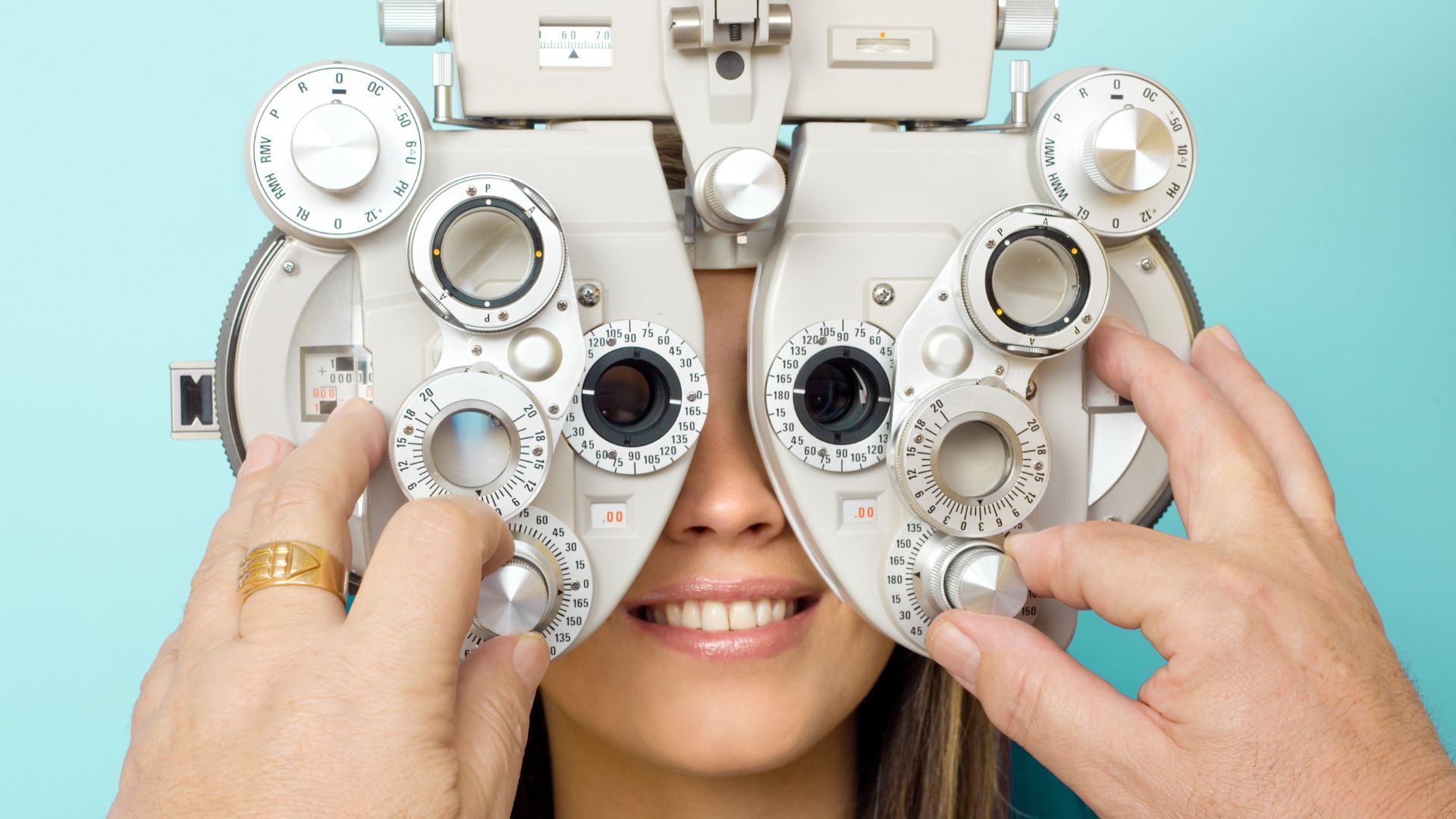
Regular eye exams offer numerous benefits beyond addressing immediate concerns. Understanding their significance encourages individuals to prioritize eye health.
Early Detection of Eye Conditions
Regular exams enable the early detection of conditions like glaucoma, cataracts, or macular degeneration, enhancing the chances of successful treatment.
Preventive Measures
Identifying potential issues allows for proactive measures, preventing the progression of certain eye conditions.
Overall Health Connection
Eye exams can reveal signs of systemic health issues, emphasizing the interconnectedness of eye health with overall well-being.
Cost Considerations
While the importance of eye exams is clear, it’s essential to consider the associated costs and factors influencing them.
Typical Eye Exam Costs
Eye exam costs can vary, with factors such as location and the type of exam influencing the overall expenses.
Factors Affecting Cost
Additional tests, the need for corrective lenses, or the inclusion of specialized services can contribute to variations in overall costs.
Alternatives for the Uninsured
For individuals without insurance coverage, exploring alternative options or discounted programs can make primary eye care more accessible.
Tips for a Productive Eye Exam
Ensuring a productive eye exam involves active participation and communication between the patient and the optometrist.
Provide Accurate Information
Offering accurate information about your eye health history, medications, and any concerns ensures a more targeted examination.
Ask Questions
Don’t hesitate to ask questions or seek clarification during the exam. This will help you better understand your eye health.
Follow Optometrist Recommendations
Implementing recommendations from the optometrist, whether regarding lifestyle changes or vision correction, contributes to long-term eye health.
Addressing Concerns About Exam Duration
Clearing up misconceptions and establishing realistic expectations about the duration of eye exams is crucial for patient satisfaction.
Misconceptions
Dispelling myths about prolonged discomfort or inconvenience during eye exams promotes a more positive experience.
Realistic Expectations
Understanding that the duration of eye exams varies based on individual factors helps manage expectations and reduces unnecessary concerns.
Conclusion
In conclusion, the duration of eye exams depends on various factors, and understanding what to expect enhances the overall experience. Regular eye exams are essential for maintaining optimal vision and detecting potential issues early on. Prioritizing eye health contributes not only to visual well-being but also to the overall quality of life.
FAQs
1. How often should I get an eye exam?
Regular eye exams are recommended annually, but individuals with existing eye conditions may need more frequent eye care checkups.
2. Are eye exams painful?
No, eye exams are generally painless. Patients might experience mild discomfort during certain tests, but this is temporary.
3. Can I wear contact lenses during an eye exam?
It is advisable to remove contact lenses before an exam, as they can interfere with certain tests. Bring your glasses if needed.
4. What should I bring to an eye exam?
Bring your current eyeglasses, contact lenses, and a list of medications. Be prepared to discuss your medical history.
5. Is it normal to feel nervous about eye exams?
It’s completely normal to feel nervous, but open communication with the optometrist can alleviate anxiety and ensure a comfortable experience.